Budapest Post

Cum Deo pro Patria et Libertate
Budapest, Europe and world news

The Microsoft Exchange hack shows attackers are working 'smarter, not harder,' experts say

The Microsoft Exchange hack shows attackers are working 'smarter, not harder,' experts say

Experts are still unsure of the hackers' motivations, and whether the incident may have been a "test run" for a larger attack.

News about a hack that impacted hundreds of thousands of global organizations has largely flown under the radar.

On March 3, Microsoft announced Hafnium, a Chinese-sponsored hacker group, exploited vulnerabilities in its Exchange email servers. Microsoft said hackers left behind "web shells," or tools that allow bad actors to access victims' systems remotely after initial access.

The attack impacted hundreds of thousands of organizations globally and 30,000 in the US. Experts recently told Insider's Aaron Holmes the hack could be "1,000 times more crippling" than the widely publicized SolarWinds attack.

Cyber security experts say though the Exchange server hack has not shocked Americans the way the SolarWinds attack did last year, but citizens must pay attention because of the likely increase in hacks this year and the different ways bad actors are exploiting victims.

"This attack underscores just how vulnerable even the most secure organizations or individuals are when targeted by skilled cybercriminals," Marcin Klecyznski, the CEO of Malwarebytes, told Insider.
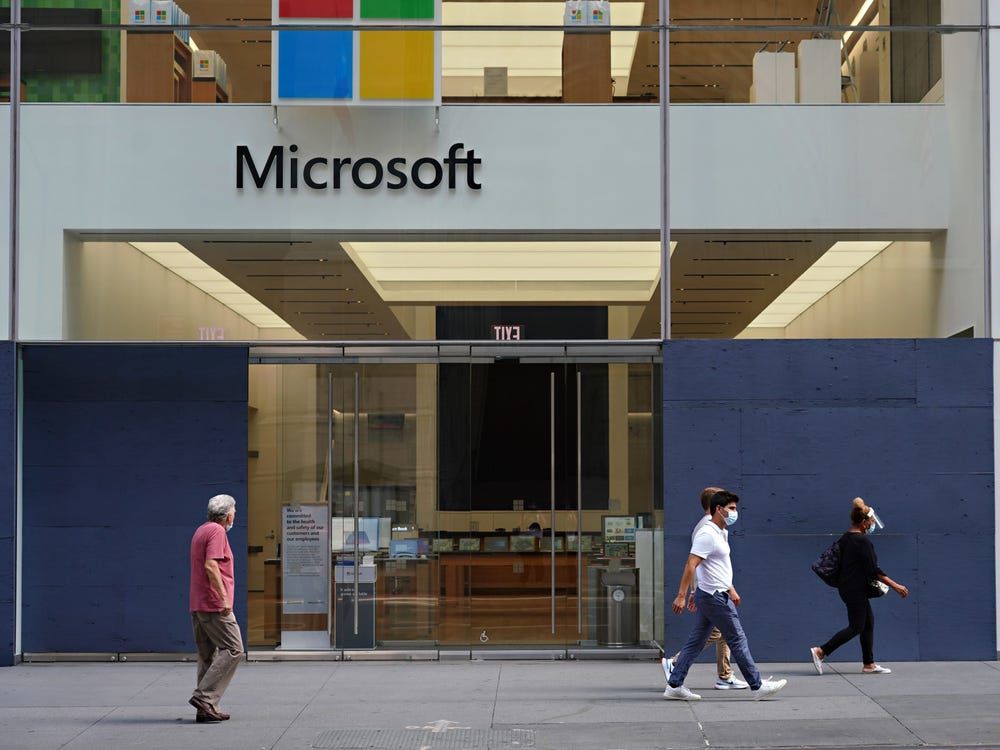
Microsoft announced a hack in its Exchange email servers on March 3.

Why you should care about the attack


One takeaway from the Exchange Server attack is that no one is safe from a hack.

Microsoft is an industry leader that accelerated cloud-based security efforts as offices transitioned to remote work during the pandemic. But getting hacked means companies need to develop software with security in every step, as well as have an incident response plan to patch flaws and notify users, per Jonathan Knudsen, a senior security strategist at Synopsys Software Integrity Group.

The hack also suggests cybercriminals are working "smarter, not harder," said Klecyznski. Bad actors know IT security teams' resources have become more stretched due to the rise in remote work, and hackers are looking to advantage of that gap in oversight, he said.

Knudsen advises anyone responsible for a Microsoft Exchange server to patch the system and check for signs of an attack. Systems administrators also need to update servers and carefully examine systems at all times, because hackers can have access to a device for months or years before someone notices.

Kelvin Coleman, the executive director at the National Cyber Security Alliance, said security experts are still unsure of the hackers' motivations, and whether the incident may have been a "test run" for a larger attack — which makes protecting user accounts with quality passwords and multi-factor authentication imperative.

"It can impact a lot of things if folks don't have confidence that their information is protected and secure," Coleman said.

How the Microsoft Exchange hack differs from other attacks


SolarWinds hackers were able to spy on federal agencies like the Department of Homeland Security and Treasury Department. Coleman said the Microsoft attack has received relatively less media attention due to the victims being small- to mid-size organizations and local governments, but that still leaves systems and personal information vulnerable.

The attack also differs from others because hackers did not need to interact with victims to get access to their information, said Ben Read, the senior manager for Cyber Espionage Analysis in FireEye's Intelligence unit. Unlike a phishing scam, which relies on users clicking into a link with malware, the Exchange Server attack gave hackers more control.

Read said that, though this isn't the first time this kind of attack happened, there's been a rise in vulnerabilities in web-facing applications in the past 18 months. Analysts predict cyber attacks will dramatically increase this year as hackers exploit uncertainty around COVID-19 and take advantage of remote workers.

"The sheer number of victims makes it a big deal," Read said in an interview with Insider. "Anyone who hasn't taken mitigation efforts...they're vulnerable as other groups kind of figure out how to exploit these vulnerabilities."

AI Disclaimer: An advanced artificial intelligence (AI) system generated the content of this page on its own. This innovative technology conducts extensive research from a variety of reliable sources, performs rigorous fact-checking and verification, cleans up and balances biased or manipulated content, and presents a minimal factual summary that is just enough yet essential for you to function as an informed and educated citizen. Please keep in mind, however, that this system is an evolving technology, and as a result, the article may contain accidental inaccuracies or errors. We urge you to help us improve our site by reporting any inaccuracies you find using the "Contact Us" link at the bottom of this page. Your helpful feedback helps us improve our system and deliver more precise content. When you find an article of interest here, please look for the full and extensive coverage of this topic in traditional news sources, as they are written by professional journalists that we try to support, not replace. We appreciate your understanding and assistance.
Newsletter

Related Articles

0:00
0:00
Close
Miliband Sets Climate and International Law at Centre of UK Diplomacy
Czech Central Bank Governor Rejects Early Euro Entry and Rate-Cut Pressure
Trump Readies New Tariffs as Temporary Global Levy Nears Expiry
Vivienne Westwood Casts Cicciolina, 74, in Its New Autumn Campaign
Dejavu: Germany’s Military Expansion Reshapes Europe’s Strategic Balance With France
Morgan Stanley Builds a Wall Street Lead in AI Infrastructure Finance
High Prices Push Coffee Drinkers Toward Whole Beans and Home Brewing
Trump Draws Boos and Podium Scrutiny at Spain’s World Cup Triumph
Brilliant move: Péter Magyar Moves to Nominate Chess Grandmaster Judit Polgár as Hungary’s President
Spain Defeats Argentina in Extra Time to Win Second World Cup
Current AI Seeks to Build an Open Global AI Infrastructure Outside Big Tech Control
Germany’s Economic Malaise Reopens the Sunday Shopping Debate
Proposed U.S.-Saudi Nuclear Pact Could Permit Limited Uranium Enrichment Under International Safeguards
Netherlands Declares Water Shortage Emergency After Drought Pushes Rivers to Historic Lows
Why Kentucky Fried Chicken Became KFC—and Why the False Explanations Persist
Ukrainian Drones Strike Wildberries Warehouses Deep Inside Russia
Reported CIA Mission Helped Clear the UAE’s Path to Advanced US AI Chips
Artificial Intelligence Capital Fuels Markets While Governments and Regulators Face Mounting Strategic Tests
China’s Moonshot’s Kimi K3 Narrows the Gap With Anthropic Through Scale, Openness and Lower Cost
The Ledger Will Not Trust on Faith
Trump Administration Pressures Banks to Restrict Financial Access for Undocumented Immigrants
Passenger Bound for Germany Refused to Sit Beside a Woman on a Plane — Then Slapped a Flight Attendant
Ukraine’s Leadership Rift Spills Into the Streets as Protesters Target Army Chief
Ukrainian Drone Barrage Kills Eight and Strikes Russian Logistics Network
The Ten World Cup Finals That Defined Football History
Smartphones Are Getting More Expensive, Sales Are Collapsing, and Even Apple Admits: "Prices Will Rise"
The Monaco Bombing Has Become a Test of Ukraine’s Intelligence Accountability
Leadership Change and Strategic Rivalry Redraw the Political Map
The AI Race Enters Its Infrastructure Era
Britain Nationalises British Steel to Protect Scunthorpe Production and Strategic Supply
French National Assembly Overrides Senate to Pass Historic Assisted-Dying Legislation
Spanish Prime Minister's Wife Ordered to Stand Trial as Corruption Probes Encircle Governing Party
Zelensky Faces Kyiv Protests Over Ousting of Dynamic Ukrainian Defense Minister
Thomas Tuchel Faces Fierce Backlash After Tactical Retreat Costs England World Cup Final Berth
A Quiet Bastille Day: France Grapples with World Cup Heartbreak and Leftover Fireworks
Spain in Ecstasy: "We Feel Unbeatable, We Taught the Whole World a Lesson"
Spain and UK Dismantle Gibraltar Border Following Landmark Schengen Integration Treaty
Hungary's "Puppet" President to Be Ousted, Orbán Fumes: "Democracy Is Dead"
Forget Tinder: The Surprising Platform Where People Find Love
Harvard Astrophysicist to Lead U.S. Scientific Advisory on Unidentified Aerial Phenomena
Emergency Sirens Activated Across Bahrain as Interior Ministry Issues Shelter Directives
World Cup Visitors Turn American Big-Box Stores Into Souvenir Stops
Netflix Weighs Always-On Channels, Bundles and Short-Form Video
Passenger Is Pulled Partly Outside Ryanair Jet After Window Fails Mid-Flight
The AI Invoice Shock: Layoffs Didn't Save Managers Money — They Cost Them More
Concern: Sexually Transmitted Bacterium Among Men Develops Antibiotic Resistance
Passenger Partially Pulled Out of Ryanair Jet After Cabin Window Fails Mid-Flight
Severe Heatwave Drives Dangerous Ground-Level Ozone Pollution Across Two Thirds of European Union
The Physical and Electronic Barriers Disrupting Domestic Wireless Networks
France and Morocco Open World Cup Quarter-Finals as Collina Defends Refereeing
×