

Oracle confirms it has a deal to become TikTok’s ‘technology partner’
Oracle Corp confirmed on Monday it had reached a deal to become the “technology partner” of TikTok, the popular video-sharing app, ahead of a deadline imposed by US President Donald Trump for the Chinese company ByteDance to sell TikTok’s US assets.
“Oracle confirms Secretary Mnuchin’s statement that it is part of the proposal submitted by ByteDance to the Treasury Department over the weekend in which Oracle will serve as the trusted technology provider,” Oracle said, referring to Treasury Secretary Steven Mnuchin.
In an interview on Monday morning on CNBC, Mnuchin said the US government had received a proposal over the weekend that included Oracle, based in Redwood City, California, as a partner to alleviate the Trump administration’s national security concerns over data privacy.
Mnuchin did not say the US would approve the proposal, only that it would undergo a review both by the inter-agency Committee on Foreign Investment in the United States (CFIUS) and another specifically investigating national security concerns. A recommendation, Mnuchin added, would be made by the end of the week.
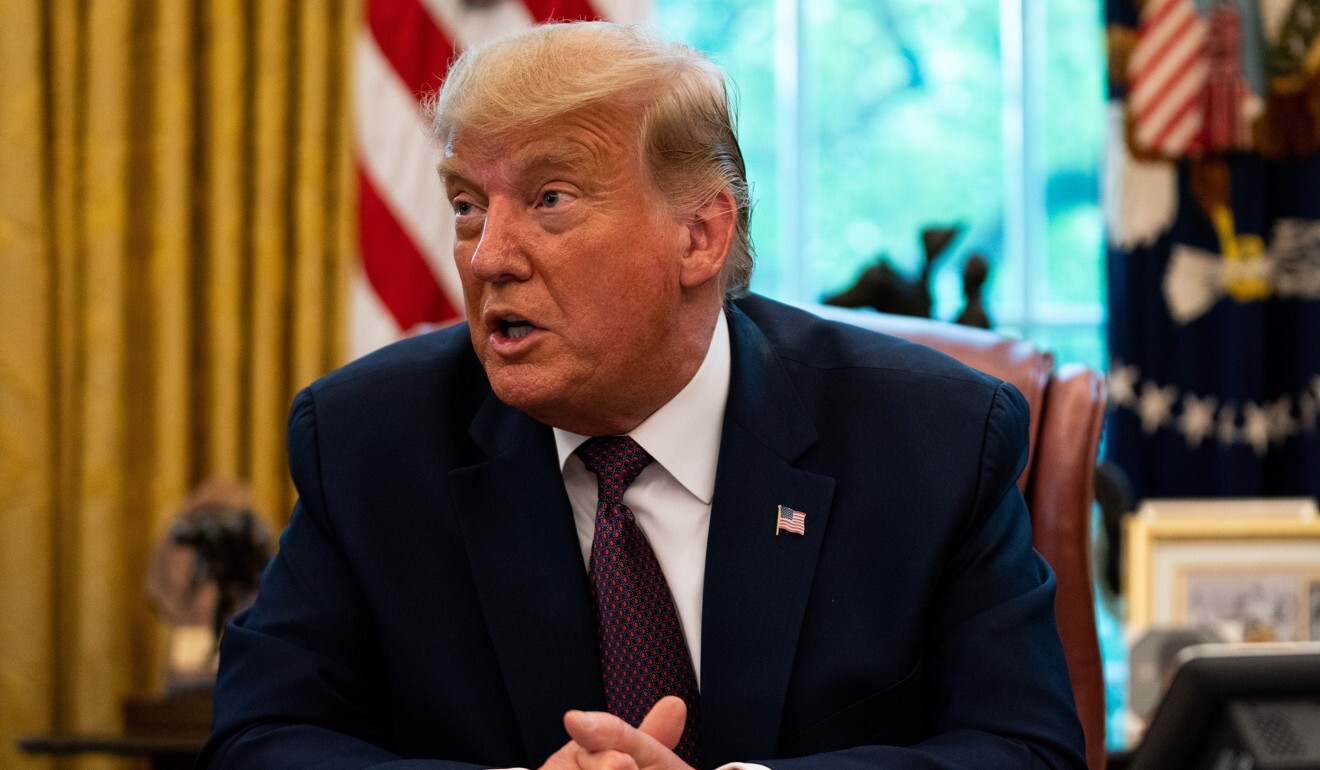
Mnuchin, who clarified that the deadline for a sale was September 20, said “we’ll need to make sure that the code is, one, secure; Americans’ data is secure; that the phones are secure; and we’ll be looking to have discussions with Oracle over the next few days with our technical teams”.
Neither Oracle nor Mnuchin explained what was meant by “trusted technology partner”, though Mnuchin said that Oracle had made “a commitment to create ‘TikTok Global’ as a US-headquartered company that will include 20,000 jobs”.
Oracle has developed ties to the administration; its chief executive, Safra Catz, served on Trump’s transition team after he was first elected in 2016, and Oracle’s founder, Larry Ellison, hosted a fundraiser for Trump’s re-election campaign this year.
ByteDance rejected the other leading bid, Microsoft’s offer, backed by the retailing giant Walmart, to buy TikTok outright; Microsoft said on Sunday that its talks to buy TikTok’s US assets had ended.
“The overall deal remains a head-scratcher, but ultimately it works out well for ByteDance not selling and just partnering,” said Dan Ives at Wedbush Securties in New York.
“The Oracle deal might be enough to keep TikTok alive; however, there remains uncertainty. Feels like this soap opera is not over yet.”
In July, Trump declared that TikTok must have an American owner to insure that the large amounts of user data it possesses was not handled improperly. That left the app, which is owned by Chinese tech firm ByteDance, less than three months to complete a transaction.
Talks for the sale stalled earlier this month when the Chinese government passed new rules restricting the export of artificial intelligence technology – possibly including that used by TikTok – that could require Beijing’s approval for any sale of the company to a non-Chinese owner.
Without the AI technology powering the algorithm that TikTok uses to analyse user behaviour, analysts said the app would become much less valuable.
On Thursday, the White House was reportedly considering whether to give the company more time to reach a sale.
ByteDance was also reportedly in discussions with the administration about alternatives that would let it sell part of TikTok’s assets, yet bypass any approval by China.
But Trump denied such consideration and said he would not extend his deadline.
“There will be no extension of the TikTok deadline. We’ll either close up TikTok in this country for security reasons, or it will be sold,” he told reporters on Thursday.
When Trump said in July that TikTok must have an American owner to insure that the large amounts of user data it possesses were not handled improperly, the comment raised questions about whether the government could ban an app.
But – also citing national security concerns – the administration had already taken similar action against Huawei Technologies, the Chinese tech giant, putting the company and its affiliates on the Commerce Department’s “entity list”. Being placed on the list sharply restricted the ability of those companies to do business with American firms; in one result, Google blocked Huawei’s access to its Android operating system.
The US first put TikTok on its radar last year, saying that the app, which has more than 100 million American users, posed a national security risk because of a Chinese law that obliges its Chinese owner to hand over user data to the Chinese government.
The White House ordered CFIUS to review ByteDance’s 2017 US$1 billion purchase of Musical.ly – an app that was later renamed TikTok.
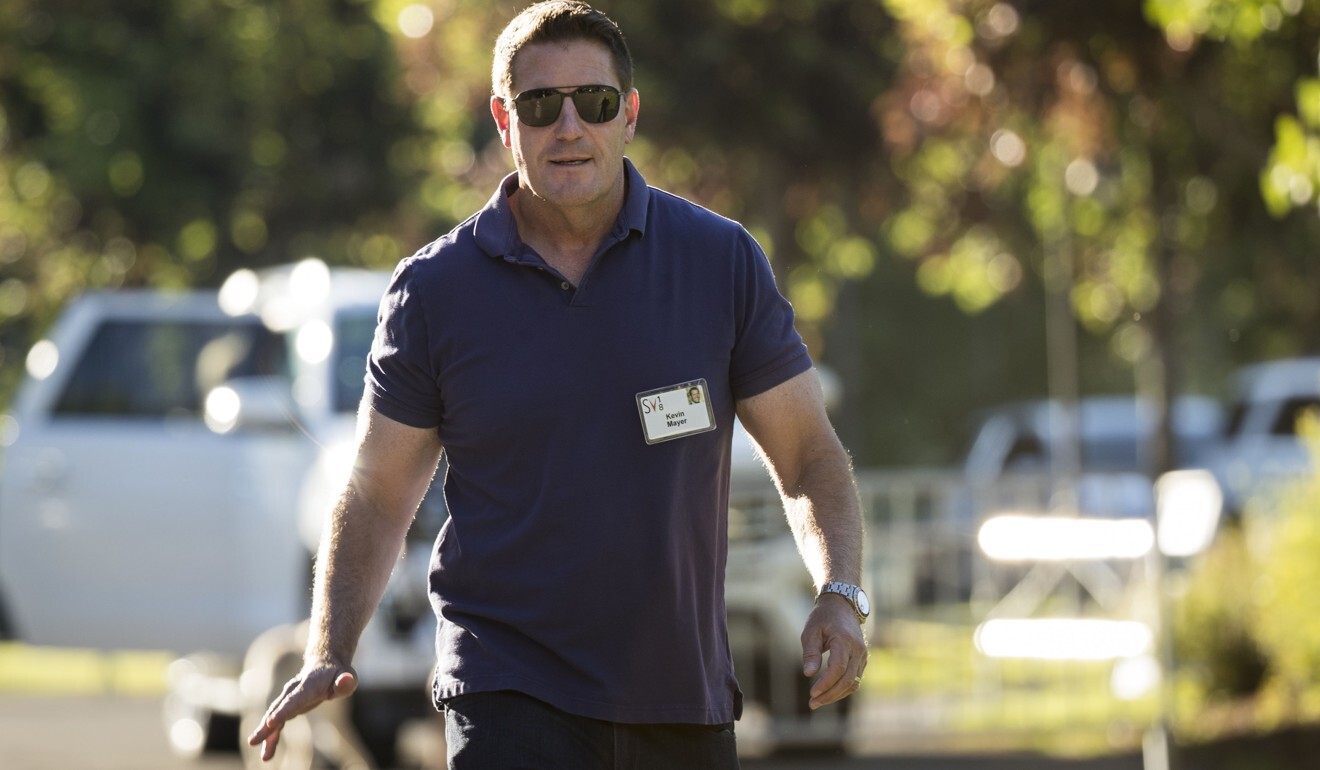
In an effort to distance itself from ByteDance, TikTok in May brought on Kevin Mayer, a former Disney executive, as its US chief. But Mayer abruptly resigned in late August, saying that the job had shifted, given the “sharply changed” political environment.
As battles between the US and China heated up over trade and technology, Washington ramped up efforts to crack down on Chinese tech companies. After banning Huawei, the administration moved to look at Chinese tech firms more broadly.
The State Department introduced the Clean Network initiative in August, calling for American companies to bar any Chinese telecommunications firms, apps, cloud computing and cable providers, claiming that they are all “untrusted vendors”.
The Trump administration is unlikely to ease pressure on China and its companies as the November election approaches, tech industry analysts said.
“Country of origin shouldn’t be the determinant factor” when it comes to deciding which providers pose risks in how they handle data, said Naomi Wilson, senior director for Asia at the Information Technology Industry Council, a Washington-based industry association representing major tech companies including Apple and Twitter.
“But the initiative certainly aligns with the US government’s general strategy right now.”