Hong Kong is criminalizing CBD as a ‘dangerous drug’ alongside heroin
Two years ago, cannabidiol was booming in Hong Kong. The compound, known as CBD, was popping up in cafes, restaurants and stores, with businesses eager to join an exciting new market already well-established in countries around the world.
That all came to an end on Wednesday, when CBD was criminalized in the city and declared a “dangerous drug” on the same level as heroin and fentanyl.
CBD is a chemical found in hemp and marijuana plants. It’s non-psychoactive, meaning it won’t get you high; instead, CBD is often marketed for everything from helping to relieve pain and inflammation to reducing stress and anxiety.
It has surged in global popularity in recent years, with brands adding it to shampoos, drinks, body oils, gummy bears and dog treats. In the United States and Europe, you might find it sold in coffee shops and farmers’ markets, mom-and-pop and high-end department stores, and even drugstore chain CVS.
But last June, draft legislation banning CBD was introduced to Hong Kong lawmakers, and went into effect February 1.
Under the new legislation, possession and consumption of any amount of CBD is punishable by seven years in prison and a fine of 1 million Hong Kong dollars ($127,607). Manufacturing, importing or exporting CBD is punishable by life imprisonment.
Even travelers could face penalties, with the government warning people not to risk “buying these products or bringing them back to Hong Kong.”
The same penalties and conditions apply for cannabis, also known as marijuana.
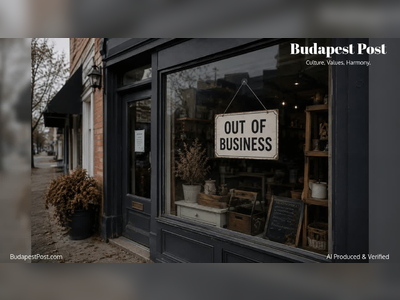
The ban has forced CBD-focused businesses to close, while other brands have had to roll back or get rid of CBD products.
“It’s a shame because there’s a missed opportunity for sure,” said Luke Yardley, founder of Yardley Brothers Craft Brewery, which had previously sold four products containing CBD – a lager and three nonalcoholic drinks. “I think that anything that you can’t get intoxicated from, and helps you to relax, is probably a good thing.”
The health benefits and risks of CBD have long been debated. In the US, most CBD products are not regulated by the Food and Drug Administration (FDA), which means that people can purchase items off the shelf.
Some research has found that the compound can ease pain and may be useful for those who have trouble sleeping. The FDA has approved one drug with CBD to treat rare, severe forms of epilepsy.
But concerns have also been raised, with some experts saying there isn’t enough scientific research into how CBD works or its potential effects.
In January, the FDA announced CBD products will require a new regulatory pathway in the US, saying: “We have not found adequate evidence to determine how much CBD can be consumed, and for how long, before causing harm.”
In Hong Kong, which has strict cannabis laws, the government’s concern revolves around the possible presence of its sister compound THC (tetrahydrocannabinol) in CBD products. THC is also found in cannabis plants and is responsible for the “high.”
In the US and Europe, CBD products can carry up to 0.3% – a trace amount – of THC, but even that is not acceptable in Hong Kong. And while CBD products could avoid this trace amount by using a pure form of CBD, most manufacturers mix other compounds for higher potency.
From 2019 to early 2022, Hong Kong authorities launched nearly 120 “operations” seizing and testing CBD products from restaurants and shops to warehouses, Secretary for Security Tang Ping-keung said last year. He added that more than 3,800 products were found to contain THC, though did not give further detail on the proportion or percentage of THC in those products.
In a written response to questions raised in the Legislative Council, Tang suggested the government’s traditionally tough stance on THC should be applied to CBD “to protect public heath.”
“We have adopted ‘zero tolerance’ towards drugs and we understand that it is a matter of public concern,” he said. “Therefore, the government plans to control CBD.”
The Action Committee Against Narcotics, a group of representatives from “the fields of social work, education, medical and community service” that advises the government on anti-drug policy, said in a statement last November that it supported the CBD ban and the government’s goal of “a drug-free Hong Kong.”
Many businesses began bracing themselves for regulatory changes last year, before the ban came into effect.
Yardley Brothers Craft Brewery stopped making its CBD beverages late last year in anticipation of the ban, and all its leftover products had sold out by December, said Yardley.
He said the CBD drinks had been “very popular,” amounting to roughly 8% of the business, as they offered adults a nonalcoholic option to enjoy when out with friends. At some bars, regulars “come in every weekend for a glass of CBD lemonade,” he said.
Now “there’s less choice for consumers in Hong Kong. That’s not necessarily a step in the right direction,” he said.
Some companies have been forced to shut down completely.
Med Chef, a restaurant that opened in 2021, once boasted of offering Hong Kong’s “first full menu of CBD-infused cocktails, appetizers and entrees.” In a news release during its launch, the restaurant founder emphasized the health and wellness benefits of CBD.
But by early November 2022, it had closed its doors. “We have worked hard in the past to present CBD in its most acceptable form and integrate our food and beverage concepts,” the restaurant wrote in a farewell post on Instagram. “It’s a pity that things didn’t go the way we hoped. Under the latest policies of those in power, we ultimately aren’t able to continue forward with everyone.”
Hong Kong’s first CBD cafe, Found, had also made headlines when it opened in 2020. It sold a variety of CBD products including infused coffee and beers, oils to help sleep, powder to sprinkle into food and pet products to help ease stiff joints.
It closed at the end of September 2022, telling patrons on Instagram that their positive feedback had shown that “CBD could help to cope with the stresses of daily life.”
“Sadly, in spite of the demonstrable positive impact, it has now become apparent that the Hong Kong government intends to adopt new legislation to prohibit the sale and possession of CBD,” it wrote.
Yardley said the government’s concerns about THC were valid – but argued they could have implemented better regulations, such as requiring certifications or standards of safety around CBD samples.
“It’s quite an extreme response to just fully ban it,” he said.
And while the brewery will continue operating, with plans for alternative nonalcoholic beverages to fill the gap, Yardley hopes CBD will be back on the menu. “I hope for the future that it might become legal again,” he said.
CBD is a chemical found in hemp and marijuana plants. It’s non-psychoactive, meaning it won’t get you high; instead, CBD is often marketed for everything from helping to relieve pain and inflammation to reducing stress and anxiety.
It has surged in global popularity in recent years, with brands adding it to shampoos, drinks, body oils, gummy bears and dog treats. In the United States and Europe, you might find it sold in coffee shops and farmers’ markets, mom-and-pop and high-end department stores, and even drugstore chain CVS.
But last June, draft legislation banning CBD was introduced to Hong Kong lawmakers, and went into effect February 1.
Under the new legislation, possession and consumption of any amount of CBD is punishable by seven years in prison and a fine of 1 million Hong Kong dollars ($127,607). Manufacturing, importing or exporting CBD is punishable by life imprisonment.
Even travelers could face penalties, with the government warning people not to risk “buying these products or bringing them back to Hong Kong.”
The same penalties and conditions apply for cannabis, also known as marijuana.
The ban has forced CBD-focused businesses to close, while other brands have had to roll back or get rid of CBD products.
“It’s a shame because there’s a missed opportunity for sure,” said Luke Yardley, founder of Yardley Brothers Craft Brewery, which had previously sold four products containing CBD – a lager and three nonalcoholic drinks. “I think that anything that you can’t get intoxicated from, and helps you to relax, is probably a good thing.”
The health benefits and risks of CBD have long been debated. In the US, most CBD products are not regulated by the Food and Drug Administration (FDA), which means that people can purchase items off the shelf.
Some research has found that the compound can ease pain and may be useful for those who have trouble sleeping. The FDA has approved one drug with CBD to treat rare, severe forms of epilepsy.
But concerns have also been raised, with some experts saying there isn’t enough scientific research into how CBD works or its potential effects.
In January, the FDA announced CBD products will require a new regulatory pathway in the US, saying: “We have not found adequate evidence to determine how much CBD can be consumed, and for how long, before causing harm.”
In Hong Kong, which has strict cannabis laws, the government’s concern revolves around the possible presence of its sister compound THC (tetrahydrocannabinol) in CBD products. THC is also found in cannabis plants and is responsible for the “high.”
In the US and Europe, CBD products can carry up to 0.3% – a trace amount – of THC, but even that is not acceptable in Hong Kong. And while CBD products could avoid this trace amount by using a pure form of CBD, most manufacturers mix other compounds for higher potency.
From 2019 to early 2022, Hong Kong authorities launched nearly 120 “operations” seizing and testing CBD products from restaurants and shops to warehouses, Secretary for Security Tang Ping-keung said last year. He added that more than 3,800 products were found to contain THC, though did not give further detail on the proportion or percentage of THC in those products.
In a written response to questions raised in the Legislative Council, Tang suggested the government’s traditionally tough stance on THC should be applied to CBD “to protect public heath.”
“We have adopted ‘zero tolerance’ towards drugs and we understand that it is a matter of public concern,” he said. “Therefore, the government plans to control CBD.”
The Action Committee Against Narcotics, a group of representatives from “the fields of social work, education, medical and community service” that advises the government on anti-drug policy, said in a statement last November that it supported the CBD ban and the government’s goal of “a drug-free Hong Kong.”
Many businesses began bracing themselves for regulatory changes last year, before the ban came into effect.
Yardley Brothers Craft Brewery stopped making its CBD beverages late last year in anticipation of the ban, and all its leftover products had sold out by December, said Yardley.
He said the CBD drinks had been “very popular,” amounting to roughly 8% of the business, as they offered adults a nonalcoholic option to enjoy when out with friends. At some bars, regulars “come in every weekend for a glass of CBD lemonade,” he said.
Now “there’s less choice for consumers in Hong Kong. That’s not necessarily a step in the right direction,” he said.
Some companies have been forced to shut down completely.
Med Chef, a restaurant that opened in 2021, once boasted of offering Hong Kong’s “first full menu of CBD-infused cocktails, appetizers and entrees.” In a news release during its launch, the restaurant founder emphasized the health and wellness benefits of CBD.
But by early November 2022, it had closed its doors. “We have worked hard in the past to present CBD in its most acceptable form and integrate our food and beverage concepts,” the restaurant wrote in a farewell post on Instagram. “It’s a pity that things didn’t go the way we hoped. Under the latest policies of those in power, we ultimately aren’t able to continue forward with everyone.”
Hong Kong’s first CBD cafe, Found, had also made headlines when it opened in 2020. It sold a variety of CBD products including infused coffee and beers, oils to help sleep, powder to sprinkle into food and pet products to help ease stiff joints.
It closed at the end of September 2022, telling patrons on Instagram that their positive feedback had shown that “CBD could help to cope with the stresses of daily life.”
“Sadly, in spite of the demonstrable positive impact, it has now become apparent that the Hong Kong government intends to adopt new legislation to prohibit the sale and possession of CBD,” it wrote.
Yardley said the government’s concerns about THC were valid – but argued they could have implemented better regulations, such as requiring certifications or standards of safety around CBD samples.
“It’s quite an extreme response to just fully ban it,” he said.
And while the brewery will continue operating, with plans for alternative nonalcoholic beverages to fill the gap, Yardley hopes CBD will be back on the menu. “I hope for the future that it might become legal again,” he said.
AI Disclaimer: An advanced artificial intelligence (AI) system generated the content of this page on its own. This innovative technology conducts extensive research from a variety of reliable sources, performs rigorous fact-checking and verification, cleans up and balances biased or manipulated content, and presents a minimal factual summary that is just enough yet essential for you to function as an informed and educated citizen. Please keep in mind, however, that this system is an evolving technology, and as a result, the article may contain accidental inaccuracies or errors. We urge you to help us improve our site by reporting any inaccuracies you find using the "Contact Us" link at the bottom of this page. Your helpful feedback helps us improve our system and deliver more precise content. When you find an article of interest here, please look for the full and extensive coverage of this topic in traditional news sources, as they are written by professional journalists that we try to support, not replace. We appreciate your understanding and assistance.