Budapest Post

Cum Deo pro Patria et Libertate
Budapest, Europe and world news

COVID-19: Do face masks work? Here is what scientific studies say

COVID-19: Do face masks work? Here is what scientific studies say

The evidence overwhelmingly suggests that wearing a mask reduced transmissions of COVID-19. Here are the studies that prove it.

Wearing a face mask is soon set to become a personal choice rather than something required of people inside buildings and on public transport.

Although the government has repeatedly stressed that it would be guided by the science, a rift in approach is showing between groups such as the British Medical Association and health minister Helen Whately.

So - what do peer-reviewed scientific studies say when it comes to how effective face masks are?
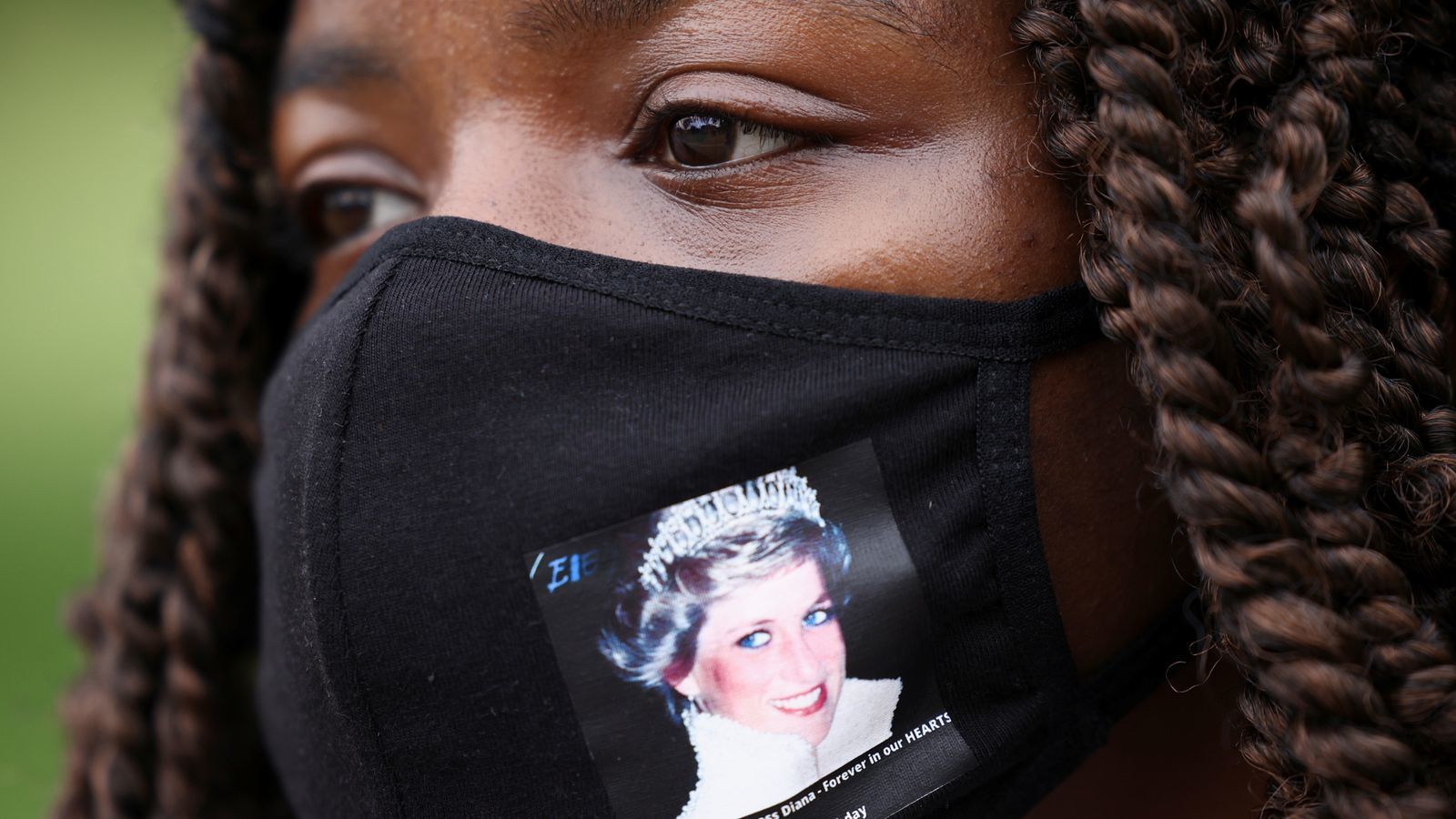
People could wear their masks voluntarily after 19 July


It has been confirmed that the virus that causes COVID-19 is primarily transmitted in the air.

People with the virus, sometimes unaware that they have it, spread it through respiratory droplets that are exhaled when they cough, sneeze, sing, talk or breathe - and these droplets are then inhaled by somebody else.

According to a number of laboratory tests and multiple studies, the main value from wearing face masks is that they block up to 80% of these droplets from escaping into the air. They may also prevent about 50% of droplets from being inhaled too.

Real-world studies are a bit harder to come by, but the US Centers for Disease Control and Prevention (CDC) has highlighted a few.

In one high-exposure event, two hair stylists - who were displaying symptoms - were found to have interacted with 139 clients during an eight-day period.
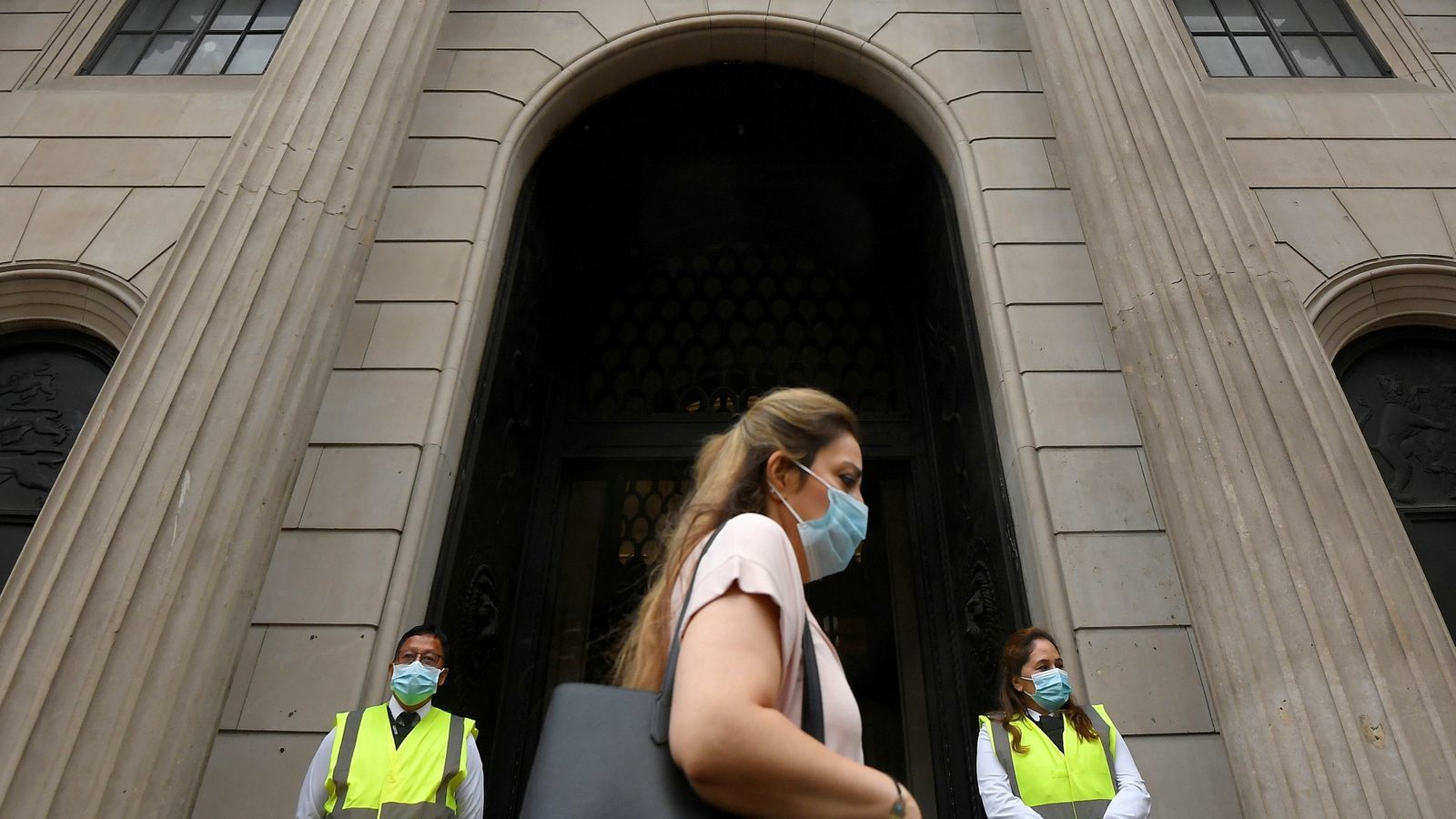
Scientists are overwhelmingly in favour of wearing face masks.


The stylists and the clients all wore masks, and of the 67 clients who subsequently consented to an interview and were tested, not a single one had become infected.

Another study in China found that, in 124 households where there had been a laboratory-confirmed coronavirus case, mask wearing by both the patient and the other inhabitants reduced transmission within the household by 79%.

Aboard the USS Theodore Roosevelt, where living quarters and working environments leave little room for social distancing, a study found there was a 70% reduced risk of infection among those who used a face covering.

In Thailand, a retrospective case-control study found that among 1,000 people interviewed as part of contact tracing investigations, those who reported always having worn a mask during high-risk exposures again experienced a 70% reduced risk of becoming infected compared with others.

An international report published in The Lancet, which analysed data from 172 studies in 16 countries, found that by wearing a face mask there is just a 3% chance of catching COVID-19.

Another study found that homemade face masks can help limit the spread of the coronavirus.

Seven types of face masks were put to the test by the University of Edinburgh, including surgical masks, respirators, lightweight and heavy-duty face shields and handmade masks.

Aside from those with a valve, all of the face coverings were found to reduce the forward distance travelled by an exhaled breath by at least 90%.

The CDC states: "Experimental and epidemiological data support community masking to reduce the spread of SARS-CoV-2. The prevention benefit of masking is derived from the combination of source control and wearer protection for the mask wearer.

"The relationship between source control and wearer protection is likely complementary and possibly synergistic, so that individual benefit increases with increasing community mask use," the agency added.

The World Health Organisation says: "Masks should be used as part of a comprehensive strategy of measures to suppress transmission and save lives; the use of a mask alone is not sufficient to provide an adequate level of protection against COVID-19.

"If COVID-19 is spreading in your community, stay safe by taking some simple precautions, such as physical distancing, wearing a mask, keeping rooms well ventilated, avoiding crowds, cleaning your hands, and coughing into a bent elbow or tissue. Check local advice where you live and work. Do it all!"

AI Disclaimer: An advanced artificial intelligence (AI) system generated the content of this page on its own. This innovative technology conducts extensive research from a variety of reliable sources, performs rigorous fact-checking and verification, cleans up and balances biased or manipulated content, and presents a minimal factual summary that is just enough yet essential for you to function as an informed and educated citizen. Please keep in mind, however, that this system is an evolving technology, and as a result, the article may contain accidental inaccuracies or errors. We urge you to help us improve our site by reporting any inaccuracies you find using the "Contact Us" link at the bottom of this page. Your helpful feedback helps us improve our system and deliver more precise content. When you find an article of interest here, please look for the full and extensive coverage of this topic in traditional news sources, as they are written by professional journalists that we try to support, not replace. We appreciate your understanding and assistance.
Newsletter

Related Articles

0:00
0:00
Close
Spain in Ecstasy: "We Feel Unbeatable, We Taught the Whole World a Lesson"
Spain and UK Dismantle Gibraltar Border Following Landmark Schengen Integration Treaty
Hungary's "Puppet" President to Be Ousted, Orbán Fumes: "Democracy Is Dead"
Forget Tinder: The Surprising Platform Where People Find Love
Harvard Astrophysicist to Lead U.S. Scientific Advisory on Unidentified Aerial Phenomena
Emergency Sirens Activated Across Bahrain as Interior Ministry Issues Shelter Directives
World Cup Visitors Turn American Big-Box Stores Into Souvenir Stops
Netflix Weighs Always-On Channels, Bundles and Short-Form Video
Passenger Is Pulled Partly Outside Ryanair Jet After Window Fails Mid-Flight
The AI Invoice Shock: Layoffs Didn't Save Managers Money — They Cost Them More
Concern: Sexually Transmitted Bacterium Among Men Develops Antibiotic Resistance
Passenger Partially Pulled Out of Ryanair Jet After Cabin Window Fails Mid-Flight
Severe Heatwave Drives Dangerous Ground-Level Ozone Pollution Across Two Thirds of European Union
The Physical and Electronic Barriers Disrupting Domestic Wireless Networks
France and Morocco Open World Cup Quarter-Finals as Collina Defends Refereeing
Tech Pulse: The Future of AI and Screen Culture
Global News Briefing: Escalating Geopolitical Tensions and Corporate Shakeups
Global News Brief: Escalating Conflicts, Public Health Crises, and World Cup Drama
French Court Allows Le Pen to Run for Presidency, but with an Electronic Tag: "I Will Appeal, and I Will Run"
$1.4 Trillion: The Lawsuit That Could Crush Meta
Europe's Growing Struggle with Extreme Heat and Air Conditioning
Anthropic Reengineers Agentic Architecture to Shift Autonomous Workplace Automation to the Cloud
Logic Flaw in Windows 11 Permission Architecture Silently Consumes Hundreds of Gigabytes of Local Storage
Apple Advances Late-Stage Operating Systems with Fourth Beta Deployments
Global Crisis Alert: Escalating Middle East Tensions and UK Political Upheaval
Japanese Technology Firm Fujitsu Launches Advanced Artificial Intelligence Tool for Corporate Disclosures
South Africa Officially Launches Nationwide Campaign for Highly Contested Local Government Elections
United Kingdom Commits Additional Funding for Unexploded Ordnance Clearance in Laos
Singapore Announces Stringent New Greenhouse Gas Regulations for Commercial Cooling Systems
Cambodia and Thailand Hold High-Level Border Security Talks at United Nations Headquarters
Myanmar Military Government and China Sign Major Agreement to Upgrade Media and Cultural Cooperation
Knife Attack at Swiss Train Station Leaves Three Injured in Suspected Act of Domestic Terrorism
Transnational Extortion Gang Threatens Canadian Police With Army of One Thousand Armed Operatives
Australia Imposes Forty-Two-Day Quarantine on Cruise Ship Passengers Following Deadly Hantavirus Outbreak
International Monetary Fund Unlocks Seven Hundred Million United States Dollars for Sri Lanka Following Economic Reforms
Australia Launches Record One Point Four Billion Dollar Lawsuit Against Chemical Giant 3M Over Contamination
China and Canada Foreign Ministers Meet in Ottawa in Effort to Stabilize Strained Diplomatic Ties
Indonesia Demands Urgent United Nations Security Council Reform Amid Escalating Global Conflicts
Extreme Weather Patterns Trigger Severe Drought in Madagascar and Destructive Flooding in East Africa
Indian State of Karnataka Faces Political Upheaval as Chief Minister Siddaramaiah Abruptly Resigns
Philippines and Japan Reaffirm Defense Ties as Crucial for Indo-Pacific Regional Stability
Norway Joins French Nuclear Deterrence Initiative in Major Shift for European Security Architecture
Global Critical Mineral Alliances Expand as Western Nations Move to Counter Chinese Supply Dominance
United States Imposes Fifty Percent Tariffs on Mexican Steel and Aluminum Ahead of Trade Pact Review
European Union and China Head Toward Major Trade Conflict Over Clean Technology Exports
United States Economic Growth Severely Downgraded to One Point Six Percent as Stagflation Fears Mount
World Health Organization Warns Central African Ebola Epidemic is Outpacing Containment Efforts
United States Treasury Department Conditions Sanctions Relief on Reopening of the Strait of Hormuz
Iranian Air Defenses Intercept and Destroy United States Military Drone Over Bushehr Province
Iranian Armed Forces Launch Ballistic Missiles Toward Unspecified Targets Prompting Regional Condemnation
×